Nathan KC8MTQ and Mark KE8HAS

Ham radio, signals, antennas, and experiments from the Smith-Manley station.

This is Mark and Nathan's ham radio site: a place for amateur radio notes, operating habits, HF and VHF/UHF interests, SDR listening, digital modes, antenna experiments, portable setups, weather awareness, and practical articles for people who like learning by doing.

KC8MTQNathan Smith-Manley
KE8HASMark Smith-Manley
Mark and Nathan Smith-Manley
Mark and Nathan Smith-Manley. Two operators, one shared curiosity about radio.

Station notes

A home station built around curiosity.

Amateur radio works best when it stays hands-on. We care about clean operating, useful station habits, readable logs, practical antennas, and understanding why a signal made it through.

HF

Long-distance listening and operating

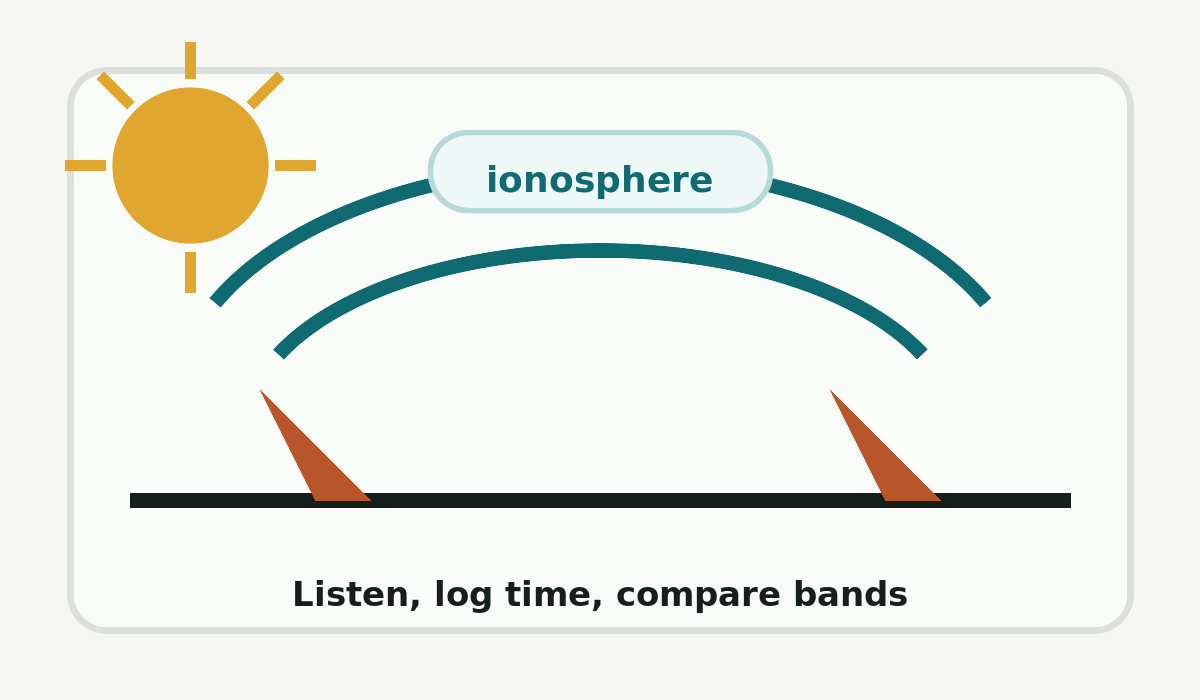
HF is where propagation becomes part of the hobby. We pay attention to band openings, noise floor, antenna placement, solar conditions, and the difference between forcing a contact and waiting for the band to come alive.

VHF/UHF

Repeaters, simplex, and local coverage

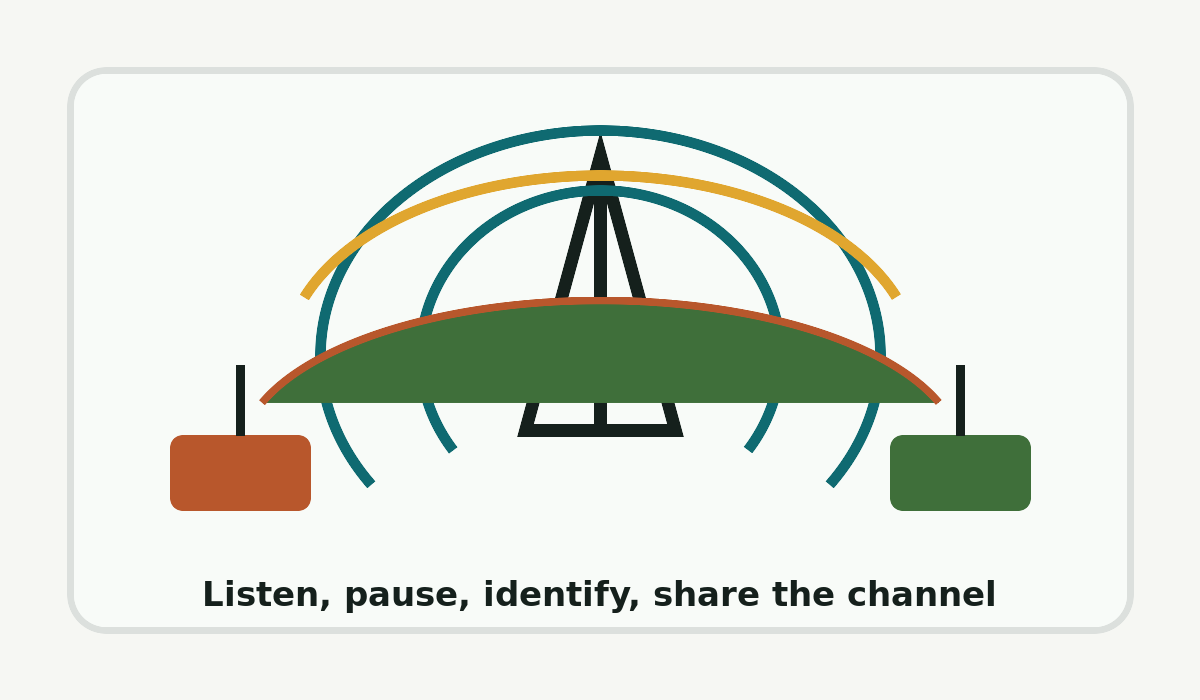
Local radio is about repeaters, handhelds, mobile coverage, emergency backup habits, and knowing what actually works around town when terrain, buildings, and antennas all matter.

Digital

Digital modes and signal discipline

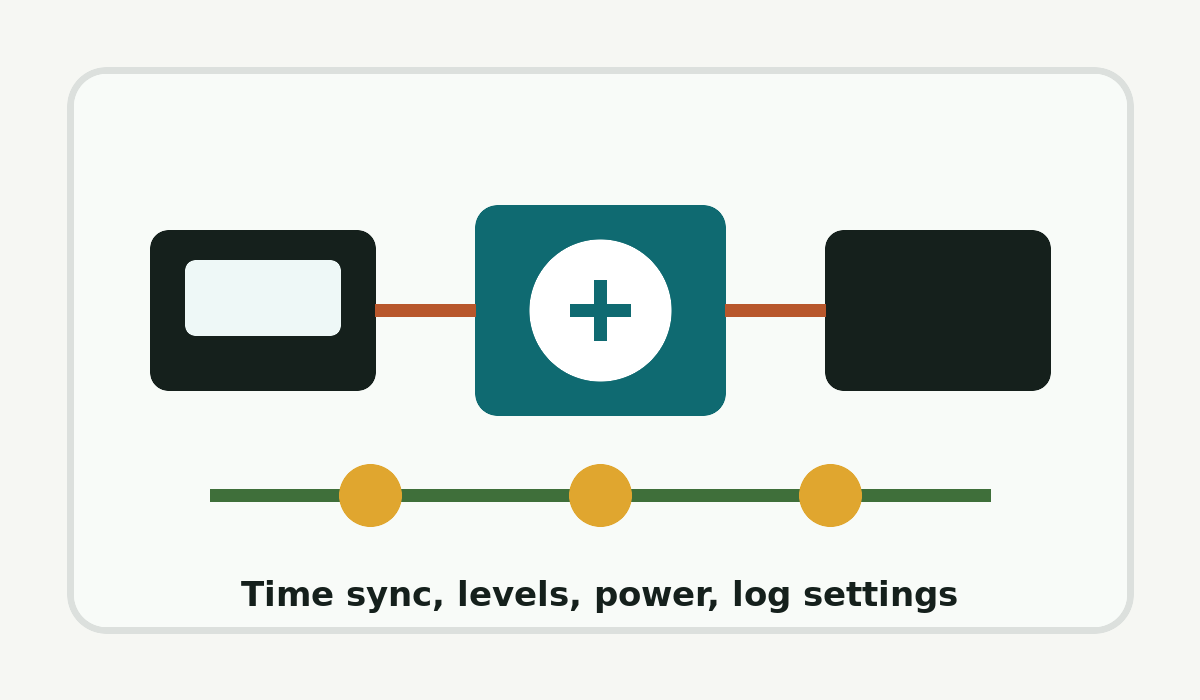
Digital work rewards patience and clean setup. Audio levels, time sync, frequency discipline, logging, and good station notes matter as much as transmit power.

What we are into

The radio topics that keep us coming back.

The Smith-Manley radio bench is not one narrow thing. It is operating, listening, experimenting, documenting, and making the station more useful one small improvement at a time.

Antennas

Practical antennas

Wire antennas, verticals, mag mounts, ground planes, attic compromises, feed-line choices, ferrites, grounding, and placement tests. The best antenna is often the one you can install, tune, improve, and understand.

SDR

Software-defined radio

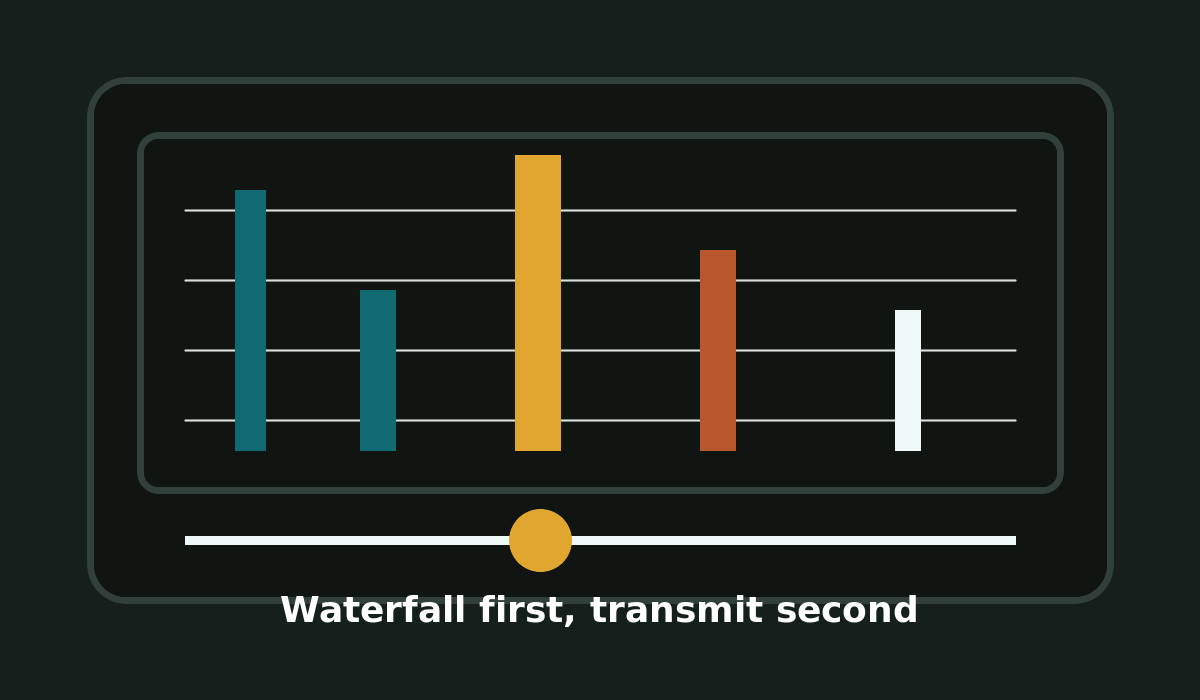
SDR makes the band visible. Waterfalls help spot activity, noise, drift, nearby interference, and weak signals that might be missed by tuning quickly across a band.

Portable

Portable and backup radio

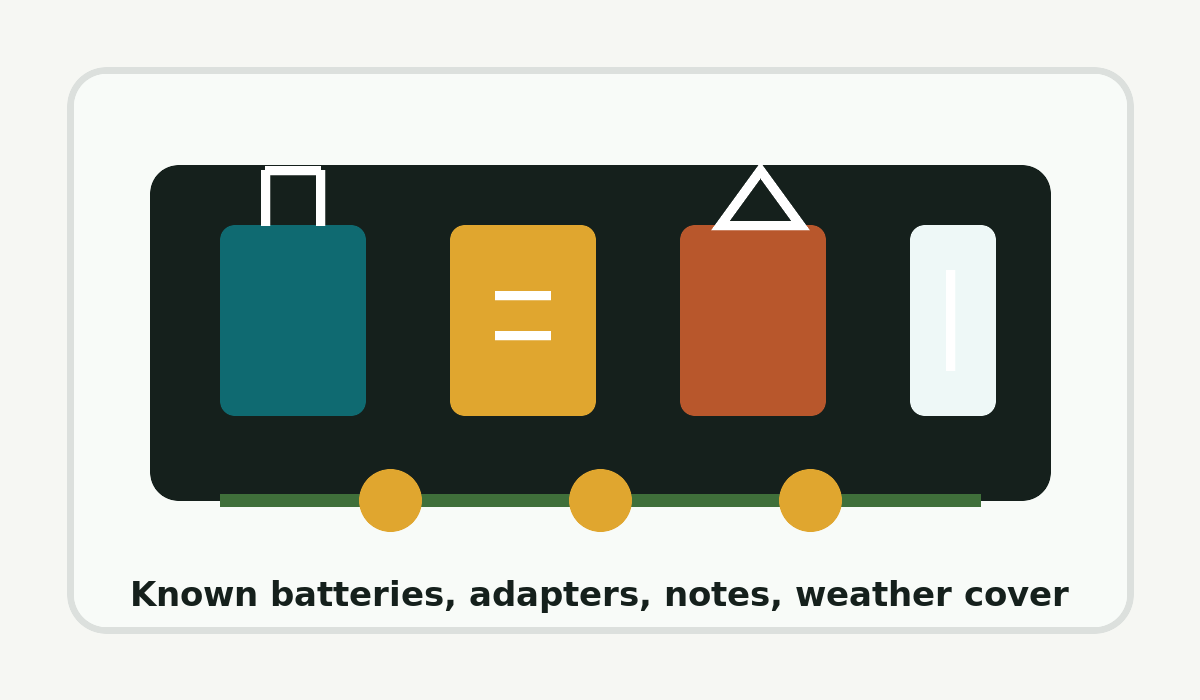
Small kits teach discipline: charged batteries, coax adapters, printed frequencies, compact antennas, weather protection, and a logging method that works without internet access.

APRS

Position and packet ideas

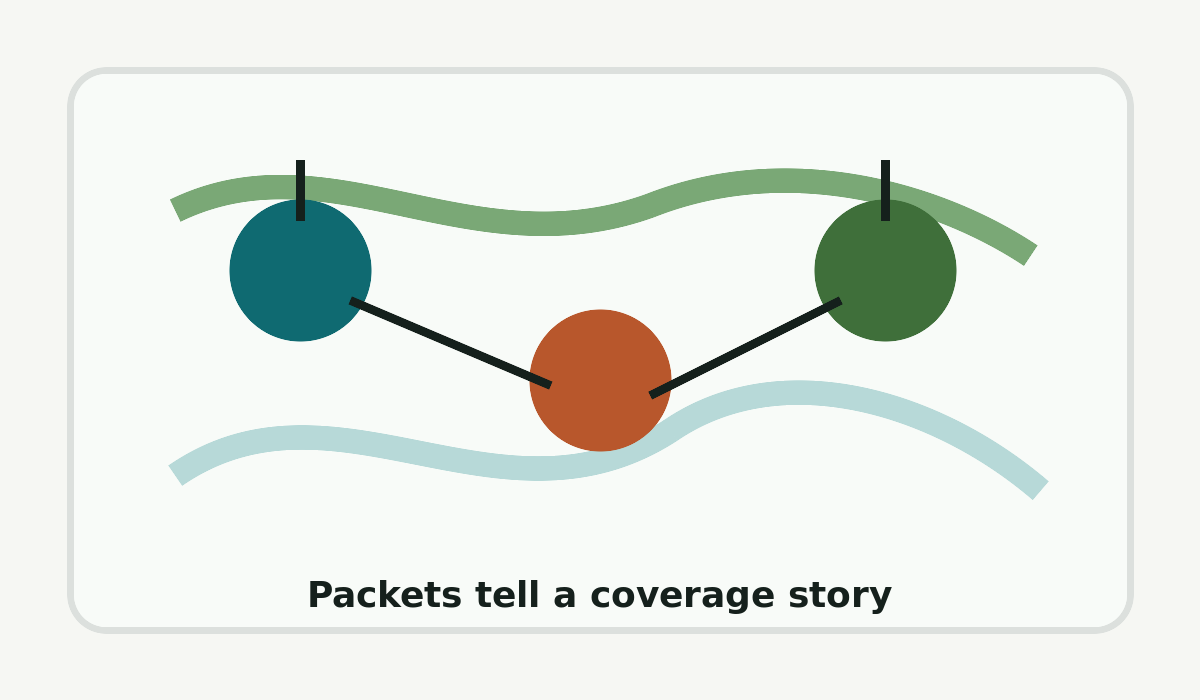
APRS and packet-style work connect radio with maps, short messages, digipeaters, and practical local coverage testing. It is a good way to learn how VHF behaves in the real world.

Weather

Weather and readiness

Radio is useful when weather turns rough. We care about situational awareness, local nets, backup power, simple checklists, and gear that can be operated under stress.

Logs

Logging and station memory

A good log is a learning tool. It records band, time, antenna, power, mode, signal reports, weather, and what changed since the last attempt.

Helpful articles

Radio articles for practical operators.

These are full-length Smith-Manley ham radio articles, each built as a five-part reading page with practical station notes and original technical graphics.

Build a First Ham Station That Is Easy to Use

A practical station is not the one with the most gear. It is the one you can turn on, understand, troubleshoot, and improve without fighting the desk every time.

Read article

Reading HF Propagation From the Home Station

Band, time, season, noise, antenna, and solar behavior turn random contacts into patterns the station can recognize and use.

Read article

Small-Lot Antennas That Teach Instead of Frustrate

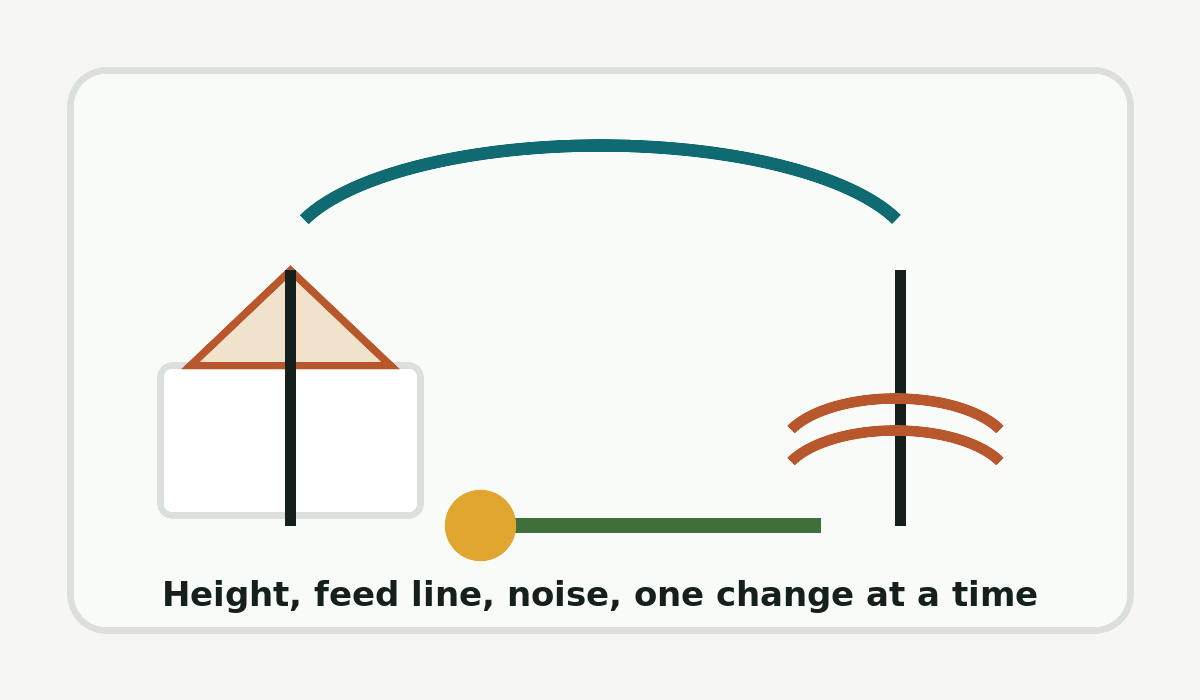
A limited yard makes the experiment more specific: noise, height, feed line, common-mode current, and repeatable changes matter.

Read article

Use SDR Like a Band Scope, Not Just a Receiver

A waterfall display can show weak signals, noise patterns, drifting carriers, occupied frequencies, and band openings before the operator transmits.

Read article

Digital Modes Done Cleanly

Digital work rewards synchronized time, conservative audio, known power, correct frequency, and notes good enough to rebuild the setup next week.

Read article

Repeaters, Simplex, and Local Coverage That Actually Works

Local radio is where equipment, terrain, antennas, etiquette, and community all meet. A handheld is only the beginning.

Read article

A Portable Ham Radio Go-Kit That Is Boring in the Best Way

Portable radio succeeds when the kit is predictable: charged batteries, known adapters, simple antennas, paper notes, and enough practice.

Read article

APRS and Packet Ideas for Learning Local RF

APRS is more than dots on a map. It is a practical way to learn VHF coverage, digipeater paths, message habits, and local radio timing.

Read article

Weather-Aware Amateur Radio Without Drama

Radio is useful when weather gets serious, but only if power, antennas, local nets, information sources, and procedures are ready before the storm.

Read article

Station Logging as Memory, Not Paperwork

A good log preserves experiments, antenna changes, noise clues, digital settings, local coverage, and the details that make a station easier to improve.

Read article

Reference links

Useful radio references.

Amateur radio is self-training, but it is not guesswork. Keep current rules, band plans, and operating references close.

Good operating starts before the push-to-talk button: know your privileges, listen first, identify properly, and leave the band cleaner than you found it.